The Jurassic Coast and Durdle Door
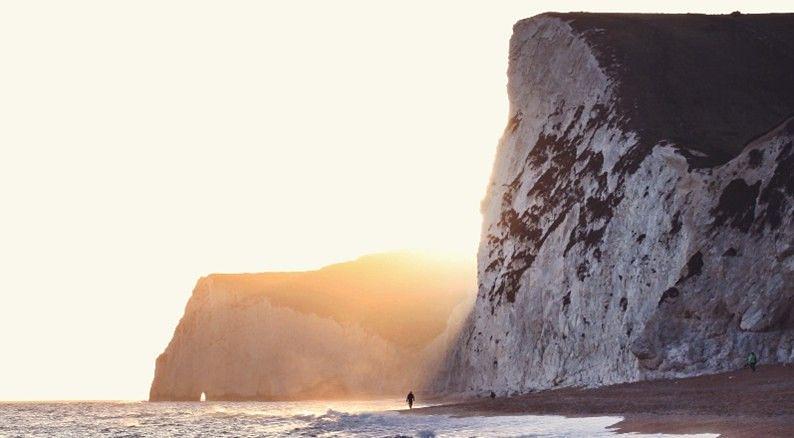
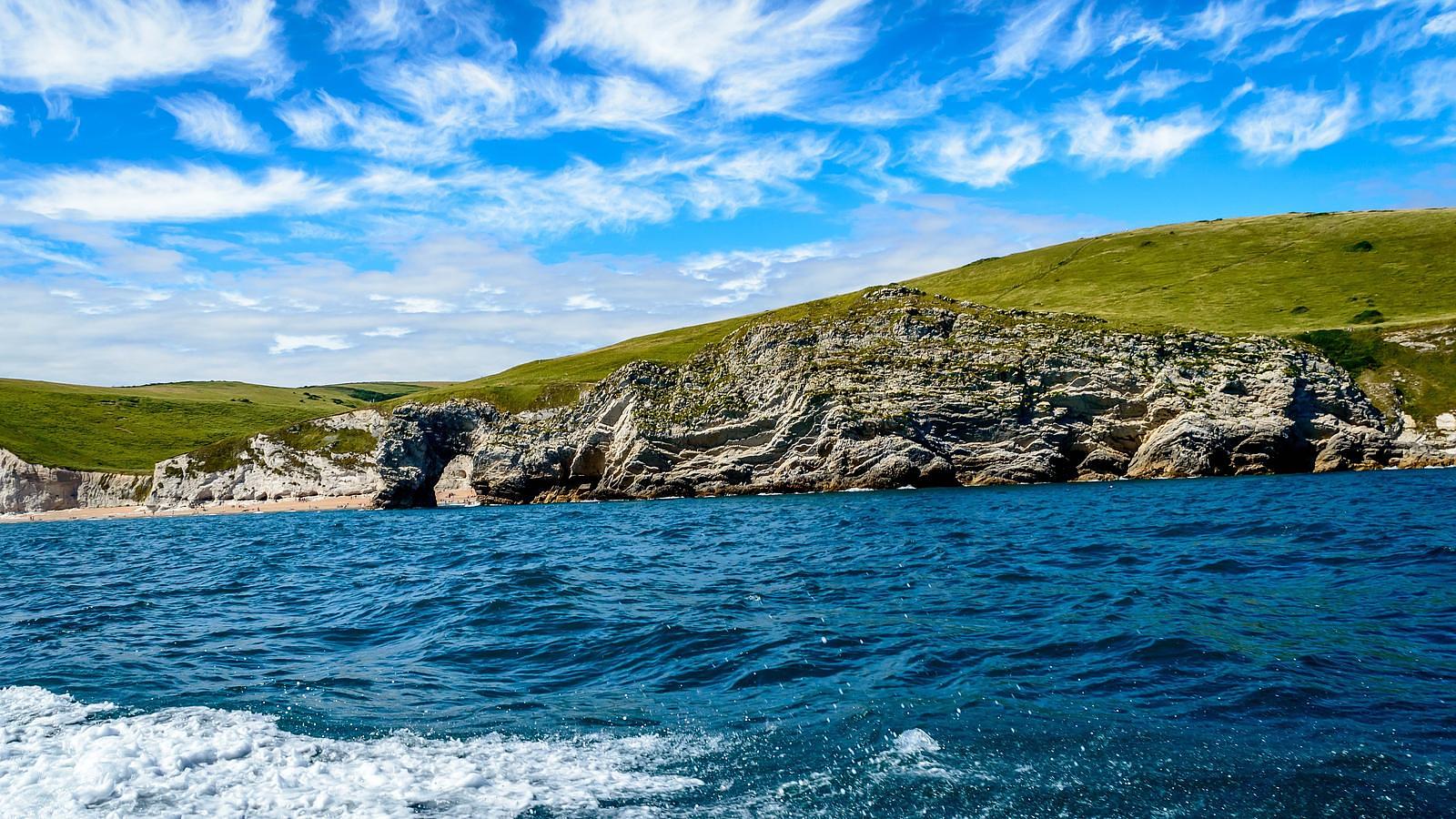
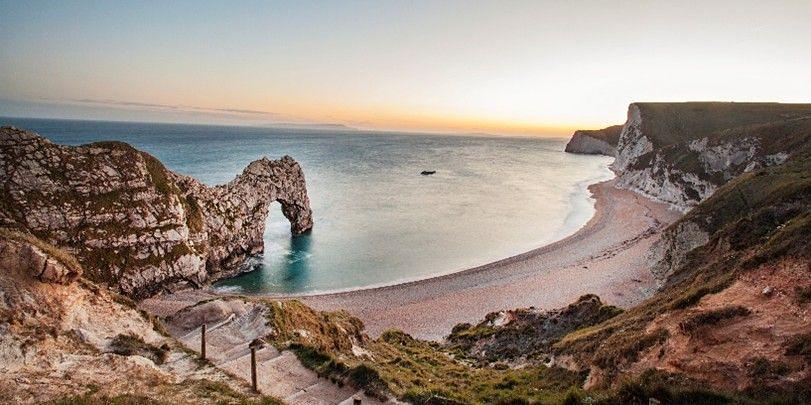
Durdle Door is a natural limestone arch on the Jurassic Coast of Dorset, England. The UNESCO World Heritage Site is privately owned by the Weld family, who own the Lulworth Estate, which also includes the well-known Lulworth Cove and Lulworth Castle. The Weld family have owned their estate since 1641. This beautiful natural landmark is open to the public and brings around 500,000 visitors each year. The influx of tourists contributes towards the upkeep and preservation of the land, the local economy and it provides hundreds of jobs.
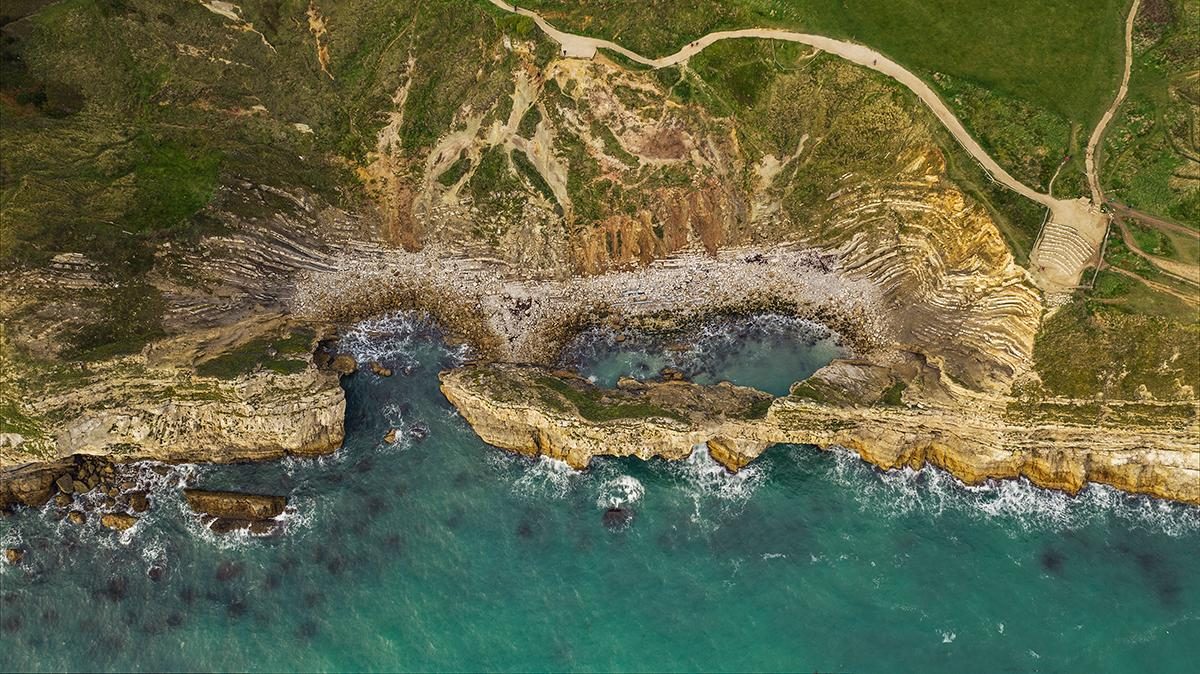
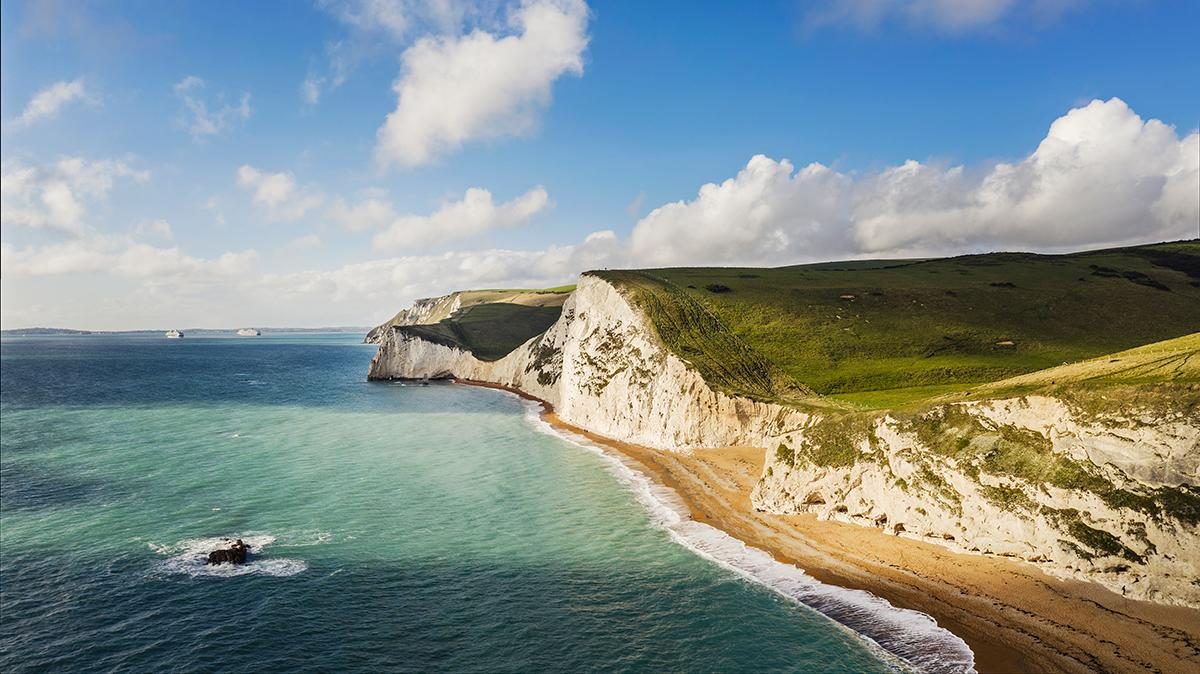
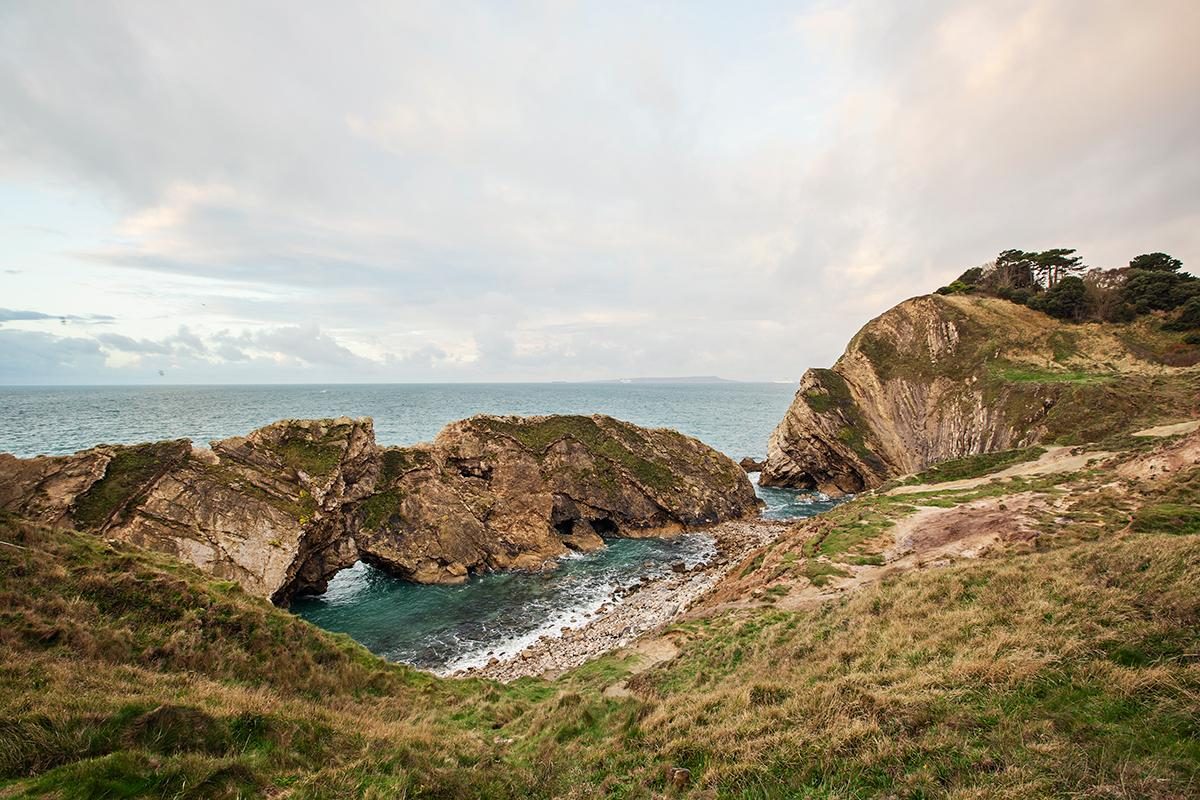
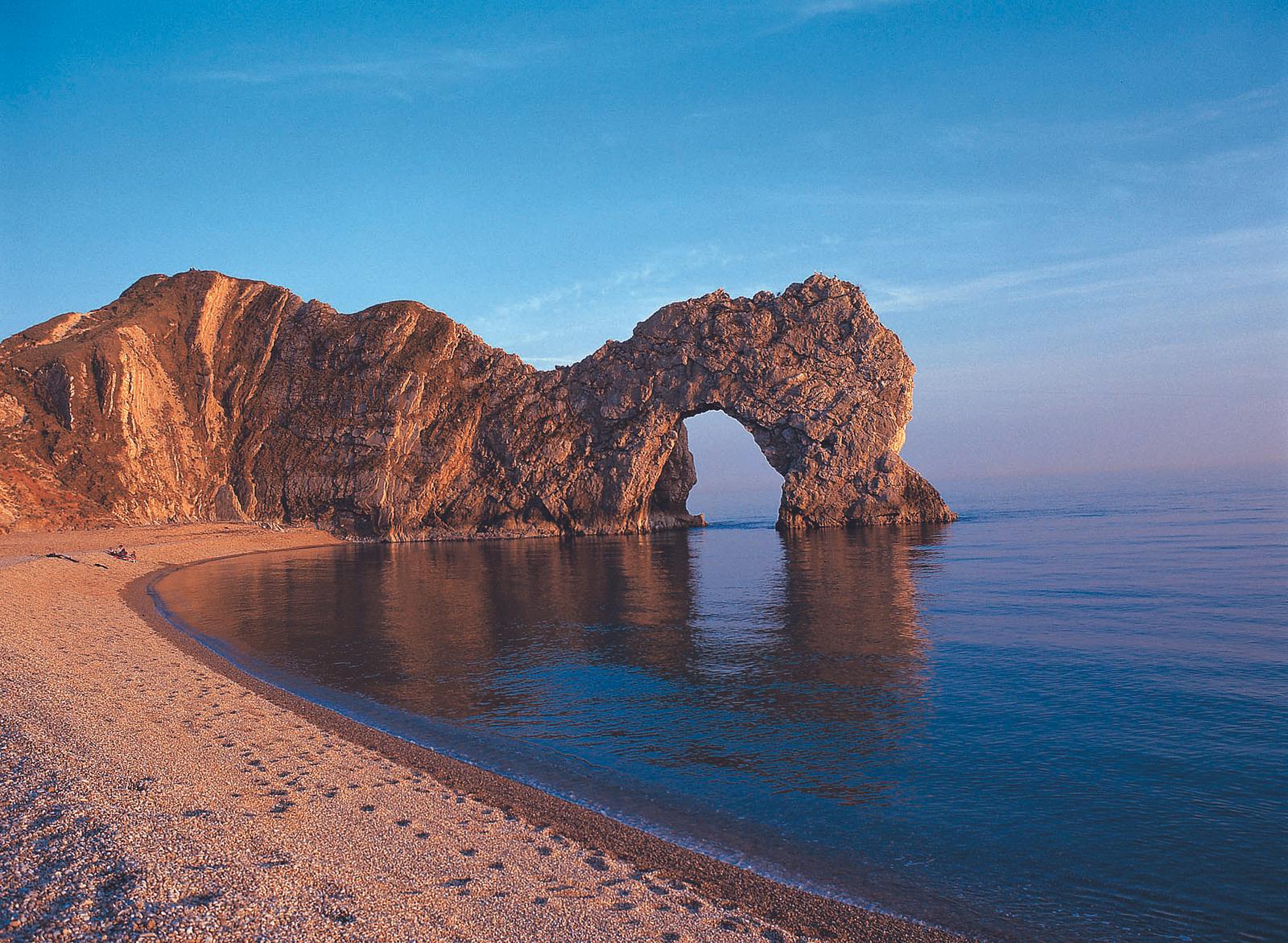
Durdle Door’s rock formations were formed approximately 140 million years ago, during the late Jurassic period. However, the unique arch was formed over a much recent geological timeframe.
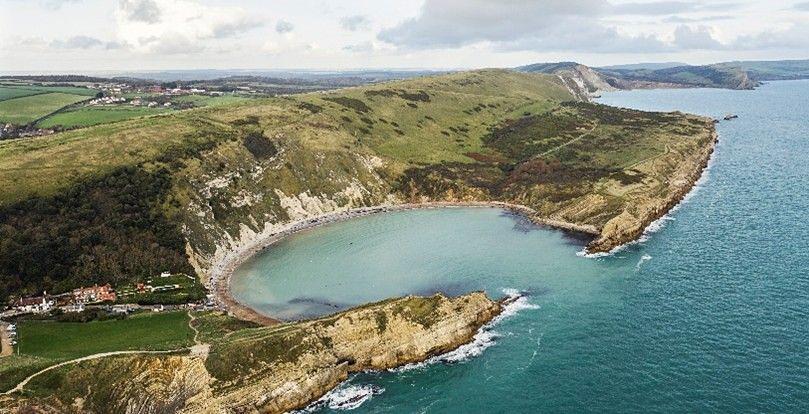
Lulworth Cove’s history dates back to 150 million years ago. It is a prime example of differential erosion, where the sea broke through the Portland limestone and chalk, exposing softer clays and greensands beneath. The softer rocks and minerals and the dynamic environment, highlight the importance of the conservation efforts that aim to protect this geological and historical site from more damaging erosion.
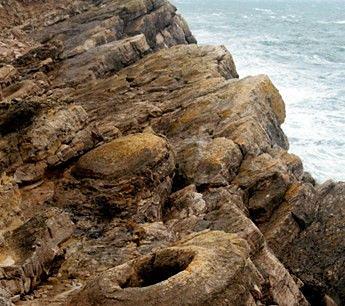
The Area around Lulworth Cove is known for its Fossil Forest. The ancient woodland grew at a time known as the Jurassic-Cretaceous boundary. During this boundary, temperatures dropped and sea levels fell, exposing fresh land in which trees and new life could grow. Once the sea levels rose again, it was flooded in salty water, which lead to the trees dying. Their stumps, and bodies became preserved by layers of calcareous sediment from the deposits of freshwater algae. You can now visit and see the fossilised stumps and the ripple marks of an ancient sea floor.
But what is the Jurassic period?
This period spans from approximately 201.3 million to 145 million years ago. It was a significant era in Earths history where dinosaurs roamed England’s coast. Not only dinosaur groups such as huge Sauropods which included relatives of Brachiosaurus and Diplodocus, among the largest terrestrial animals to ever exist, but marine life also flourished. The oceans were thriving with diverse invertebrates and fish including Ichthyosaurus and Plesiosaurs.
The Jurassic period was marked significantly by the breakup of Pangaea. Pangaea was the last supercontinent which was one large landmass of nearly all Earths continents before tectonic forces broke the land apart. This led to the distribution of species and the formation of new ecosystems. The separation of Pangaea did not happen all at once but rather in distinct stages. First into 2 supercontinents which the large crack became the North Atlantic Ocean. Then, into smaller pieces which formed the continents we now have. The final stage of the breakup was a final split which formed North America and the Norwegian Sea; however this happened over many, many years. The continents moved and evolved over time up until how they are now.
So, the breakup of Pangaea created new ocean basins which eventually formed our coasts. However, the breakup of Pangaea did not directly attribute to the formation of Durdle Door. Fossils found along the coast tell the story of 185 million years of Earth’s history.
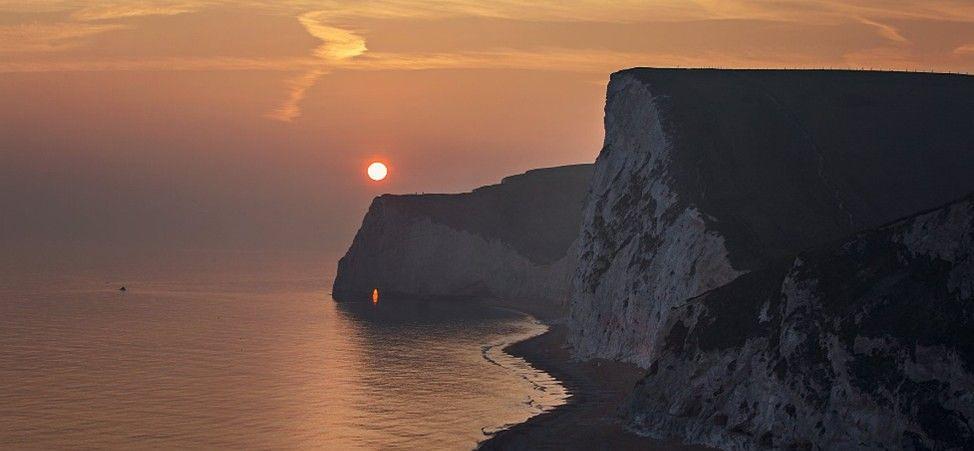
How was Durdle Door Created?
When the area was covered by warm, shallow sea, debris and sediment collected. Erosion from the sea gradually wore away the weaker rock layers, leaving the strong Portland limestone that became the base for the arch. The waves and currents broke through the stone, creating a cave. Eventually the waves broke through completely and the cave expanded and the arch was created.
Visitors should avoid standing under cliffs. The arch and adjoining cliffs are unstable due to natural erosion. Climbing on the arch is absolutely prohibited.
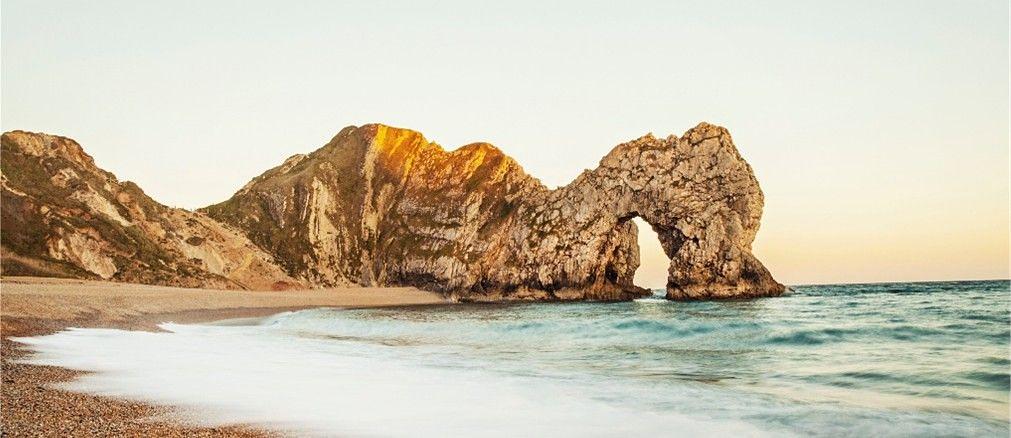
What does Durdle Door mean?
Well, the word ‘Durdle’ derives from the Old English word ‘thirl’, meaning to pierce or drill. This explains the well-known arch shape.
Durdle Door has been protected by the Lulworth Estate. Resisting any large-scale commercialisation. Just the natural beach, walks and sea as far as you can see.
Jurassic Wonder
The Jurassic Coast is an incredibly special place that holds millions of years of history. The Lulworth Estate and surrounding areas aim to conserve and protect the beautiful unique coastline each year. It is a place where natural beauty and ancient history come together.